Hundreds of millions of patients depend on plasma-derived medicines for their quality of life, often for life itself. Yet only around 20% of global need is being met. United Plasma Action works with partners worldwide to change that, particularly in low- and middle-income countries.





A pro bono team of clinicians, scientists and policy experts across four continents.
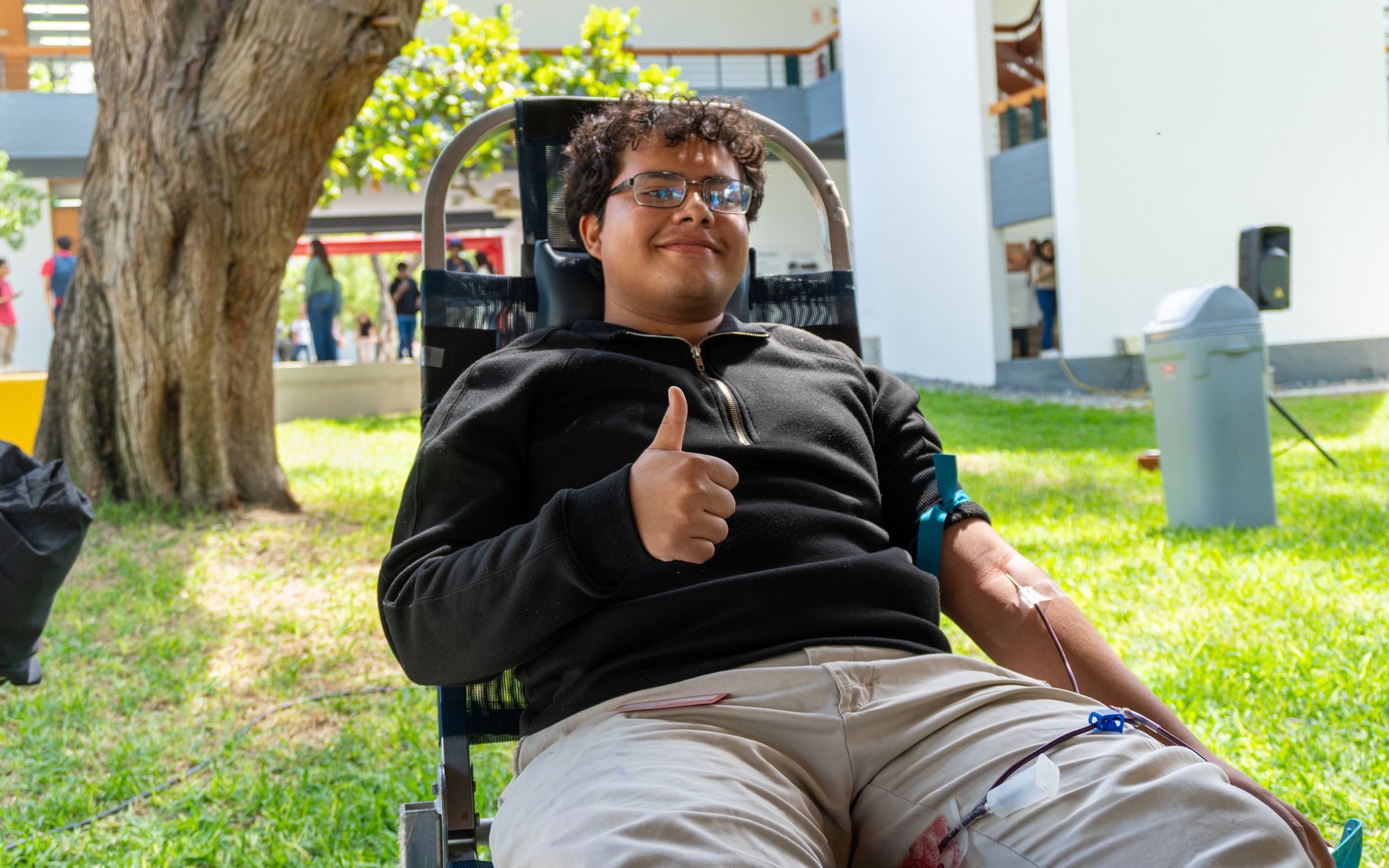
Only around 20% of the estimated global need for plasma-derived medicines is currently met.
United Plasma Action was founded in March 2025 in response to four issues that hold back patient care and health equity worldwide, mainly, though not exclusively, in low- and middle-income countries.
Read the full introductionOnly some 20% of the estimated global need for plasma-derived medicines, recognised as essential by the WHO, is currently being met.
Around 70% of global supply comes from plasma donated in the USA, leaving many countries strategically vulnerable and medicines priced beyond the reach of most patients.
Many millions of litres of plasma recoverable from whole-blood donations are wasted for want of component therapy, quality systems and infrastructure.
Very few countries collect plasma by apheresis at scale, yet a mature system needs around four times more source plasma than recovered plasma.

Plasma-derived medicines are recognised as essential by the World Health Organisation. Yet whether a patient can obtain them still depends, far too often, on where they happen to live.
of the estimated global need for plasma-derived medicines is currently being met.
of current global supply relies on plasma donated in the USA.
people worldwide cannot depend on plasma from a population of fewer than 400 million.
more source plasma than recovered plasma is needed for sufficiency in a mature system.
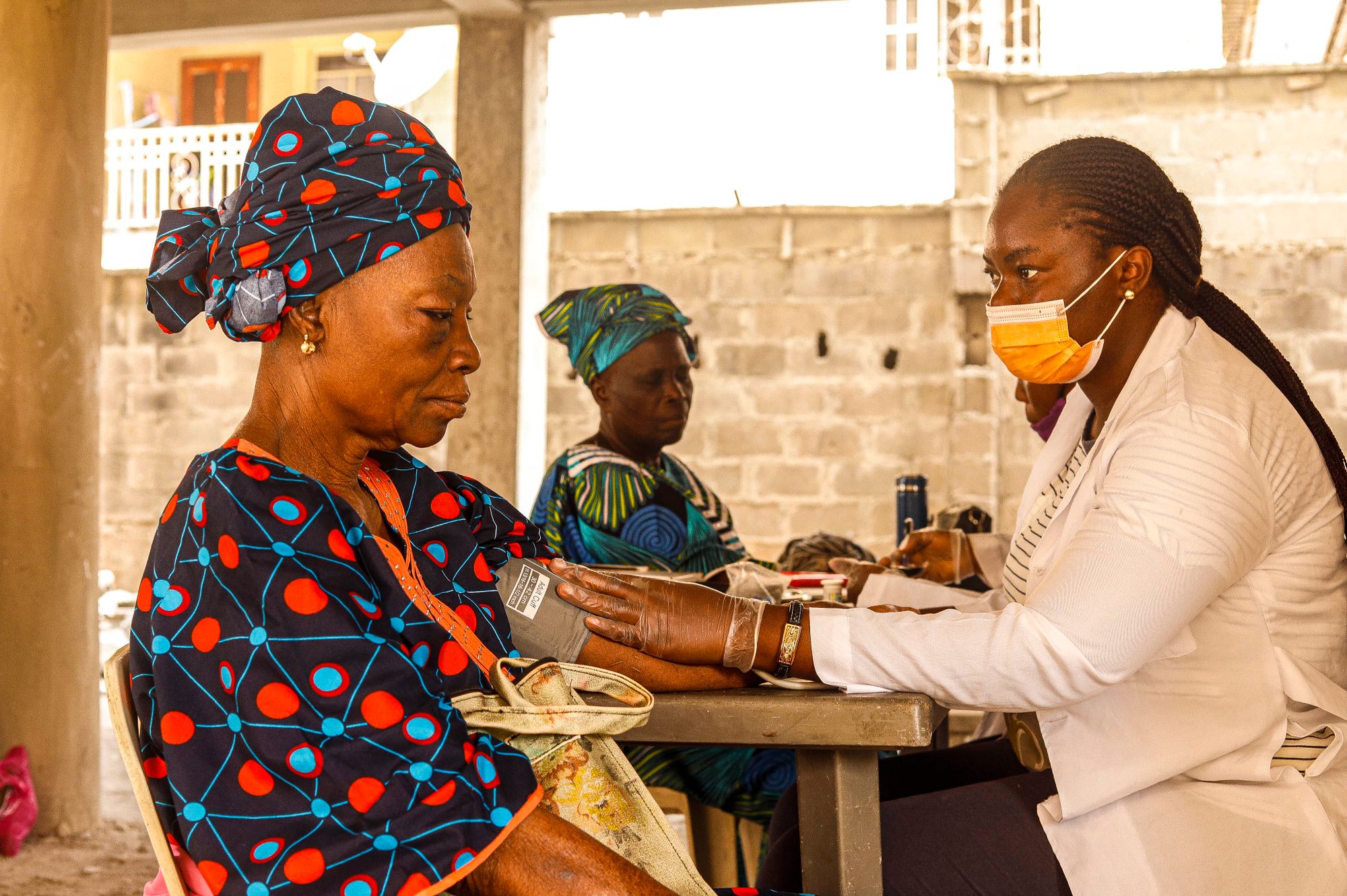
Suffering and death that will be avoided, if adequate supplies of plasma-derived medicines can be made widely available at affordable prices.
Progress over the last 30 years has been limited. UPA exists to help accelerate it, in cooperation with others, so that far fewer patients suffer or die for want of plasma-derived medicines.
Stimulating and disseminating best practice.
Supporting national and local teams, particularly in LMIC nations.
Making the case for patients, carers, clinicians and communities.
UPA brings together a Core Team, an Advisory Board and an extensive network of like-minded professionals, patient representatives and others, all working pro bono and all united by a commitment to patient care and health equity.
From donor collection and fractionation to clinical care, nursing, ethics and policy, our team brings decades of hands-on experience.
Meet the full team