United Plasma Action (UPA) is an independent not-for-profit organisation founded in March 2025 in response to four important issues, seen as significant obstacles to progress towards improved patient care and health equity globally. These issues relate mainly, though not exclusively, to Low- and Middle-Income Countries (LMIC).
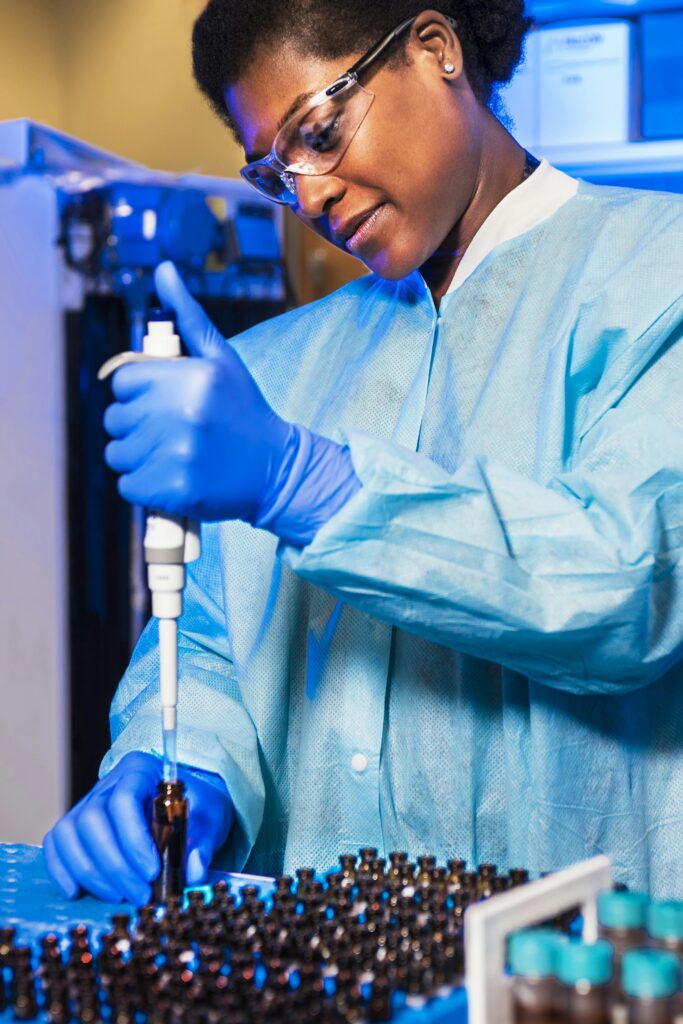
Plasma-Derived Medicinal Products are vital medicines, recognised as essential by the World Health Organisation.
The World confronts a severe and persistent global shortage of human plasma suitable for the manufacture of Plasma-Derived Medicinal Products (PDMPs). These are vital medicines recognised as essential by the World Health Organisation.
Hundreds of millions of patients globally should be able to depend on them for their quality of life, often for life itself, and yet only some 20% of the estimated global need for these medicines is currently being met.
Plasma donated in the USA accounts for some 70% of current global PDMP availability. This is a hugely important contribution to healthcare internationally, but causes strategic vulnerability for many countries entirely dependent on imports. This is not a sustainable global solution.
Because of the inevitably relatively high costs and resultant high prices of US-plasma-derived medicines, they are simply beyond the reach of most patients in many countries. Also, it has to be recognised that US exports cannot conceivably provide enough plasma for all global needs: plasma sufficient for more than 8 billion people is unlikely to be available from a population of fewer than 400 million.
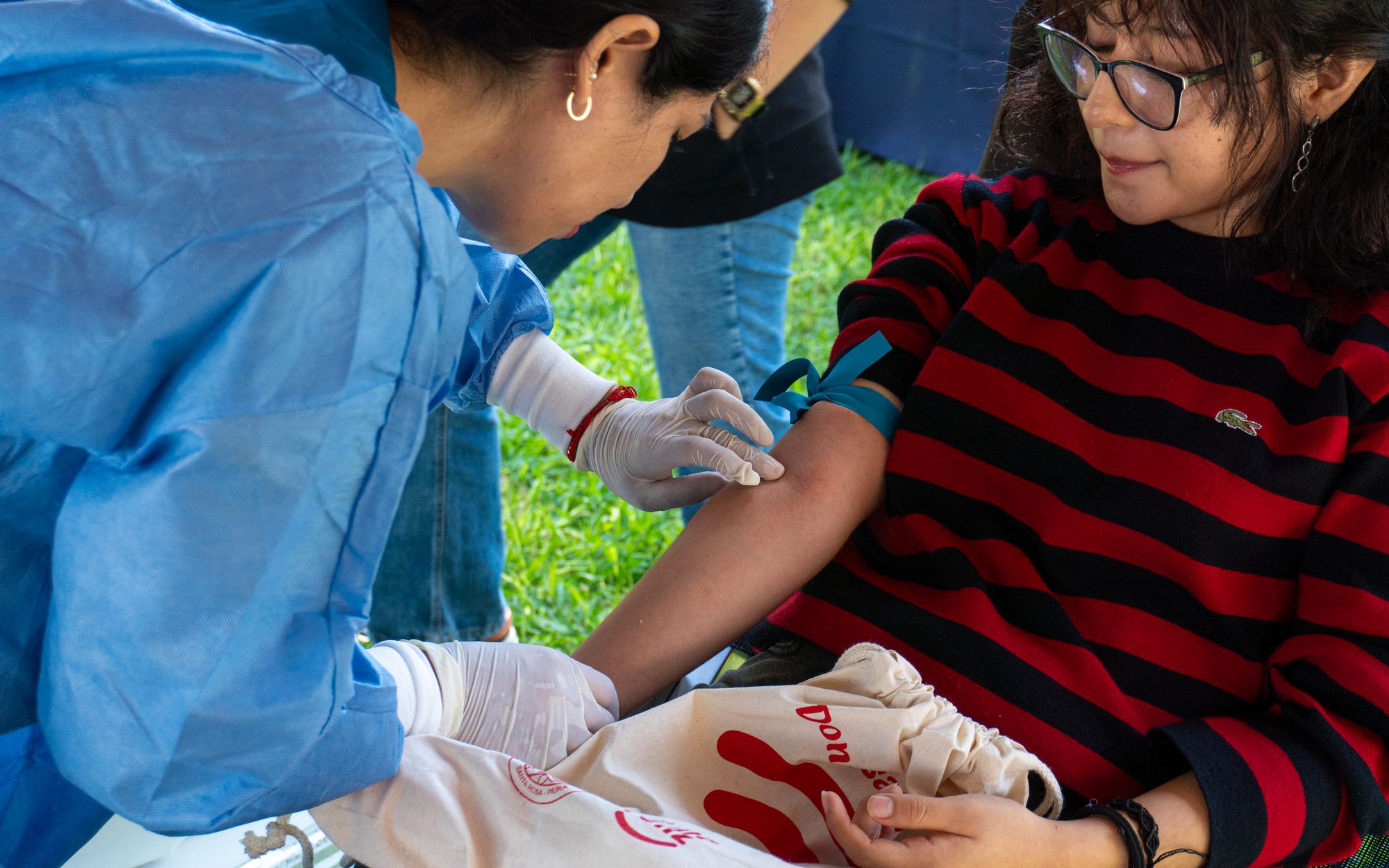
Too many countries are currently still not realising the potential of many millions of litres of plasma recoverable from whole blood donations. In many countries this precious resource is being wasted; for example due to limited implementation of component therapy, insufficient quality systems, or inadequate infrastructure for proper treatment, storage and processing.
Properly collected and handled, recovered plasma can significantly increase the supply of PDMPs for patients, and could also be a significant financial boost to LMIC Blood Transfusion Services.
Globally, there is a widespread lack of source plasma collected by apheresis. Only a very few countries practise plasmapheresis collection on any significant scale. With the need for PDMPs proportionately far outstripping the need for red cells for transfusion, adequate supplies of plasma cannot be achieved through recovered plasma alone.
In a mature system, for PDMP sufficiency, the volume of source plasma needs to be some four times higher than the recovered plasma element. Therefore, success in improving PDMP availability, towards achieving clinically adequate local supplies, must inevitably involve an increased emphasis on plasmapheresis.